


- All
- Product Name
- Product Keyword
- Product Model
- Product Summary
- Product Description
- Multi Field Search


Can our power grid handle the fast shift to sustainable energy? Wind and solar often cause unpredictable voltage changes. This article explains how STATCOM devices stabilize these fluctuations. You will learn how this technology ensures a reliable, clean energy future.
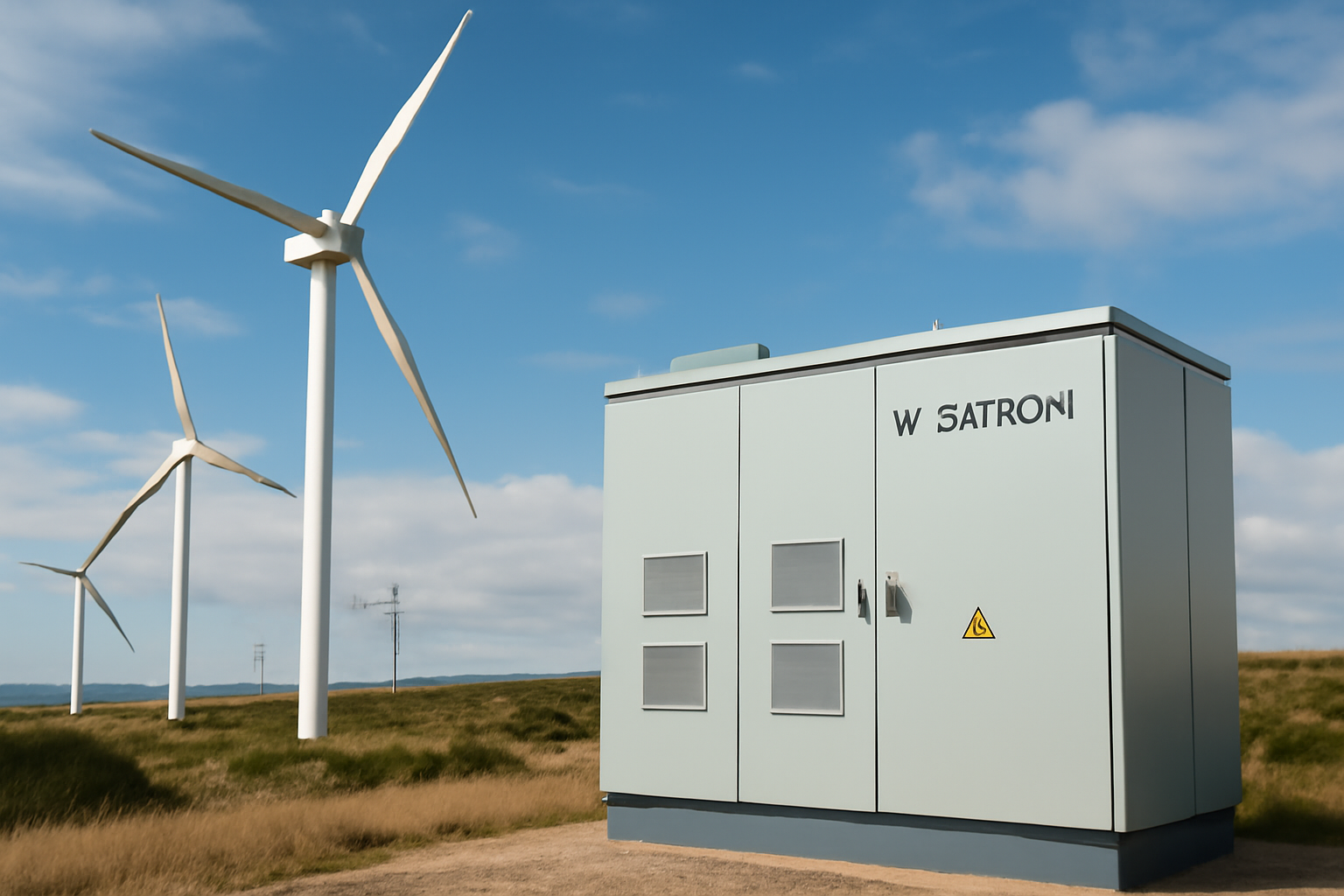
● Ultra-Fast Grid Stabilization: STATCOM devices react to fluctuations within 1 to 2 electrical cycles, which is significantly faster than traditional Static VAR Compensators.
● Seamless Renewable Integration: They effectively manage the intermittent nature of wind and solar power by stabilizing the voltage dips caused by "cloud shading" or sudden weather changes.
● Superior Resilience During Faults: These systems maintain reactive power support at voltages as low as 0.2 to 0.3 per unit, whereas older technologies lose effectiveness below 0.6 per unit.
● Reduction in Energy Waste: By providing dynamic voltage support, STATCOM solutions help reduce "curtailment," ensuring more generated green energy actually reaches the consumer instead of being wasted.
● Optimized Infrastructure: Utilizing this technology allows existing transmission lines to carry more power safely, which can defer or even eliminate the need for constructing expensive new power plants.
● Modular and Space-Efficient Design: Modern modular multilevel converter (MMC) designs require 15-20% less space and allow for flexible capacity upgrades as renewable projects grow.
● Environmental and Economic ROI: While initial installation costs can be 30-40% higher than traditional options, the long-term gains in grid efficiency, reduced carbon emissions, and equipment lifespan provide a superior return on investment.
STATCOM devices are critical for supporting renewable energy sources. They help manage the variable nature of wind and solar power. These systems maintain grid stability by responding quickly to changes. This rapid response allows more renewable energy to join the grid safely.
● Renewable energy sources often cause voltage fluctuations in the grid.
● STATCOM devices provide instant voltage support when solar or wind levels change.
● They stabilize these fluctuations to keep the power flowing steadily.
● This technology makes it easier to increase the share of renewables in our power mix.
● STATCOM systems react extremely fast to grid changes.
● They can respond within 1 to 2 electrical cycles.
● Static VAR Compensators (SVCs) are slower, taking 2 to 3 cycles.
● This speed is vital for preventing grid instability during sudden power drops.
● Grids face disturbances like faults and frequency dips.
● STATCOM units maintain power output even at very low voltages, around 0.2 to 0.3 per unit.
● Traditional SVCs lose effectiveness below 0.6 per unit.
● This capability ensures renewable plants stay connected during grid emergencies.
● Inverter-based renewable sources can create issues like harmonics and flicker.
● STATCOM devices improve power quality by reducing these specific problems.
● They ensure the energy delivered to consumers is clean and stable.
● Better power quality helps existing infrastructure last longer by reducing equipment stress.
● Utilities have strict grid codes for voltage and frequency stability.
● Project developers must meet these requirements to connect to the grid.
● STATCOM systems are designed to help projects comply with these regional standards.
● They provide the necessary reactive power support to satisfy utility operators.
● Grids need a balance between active power (doing the work) and reactive power (maintaining fields).
● STATCOM devices keep this balance in check.
● By doing so, they reduce the amount of current flowing through transmission lines.
● This process lowers energy losses caused by heat in the lines.
● Large wind and solar farms are often located in remote areas.
● These remote sites often have "weak" grid connections.
● STATCOM technology enables stable power transmission over long distances.
● It prevents voltage collapse in these sensitive parts of the network.
Comparison of Response Capabilities
Feature | STATCOM | Static VAR Compensator (SVC) |
Response Time | 1–2 electrical cycles | 2–3 electrical cycles |
Low Voltage Support | Effective down to 0.2–0.3 pu | Loses effectiveness below 0.6 pu |
Footprint | Compact | Larger |
Efficiency | Superior | Standard |
Wind and solar power are not always available. This variability is a major challenge for global power grids. STATCOM devices are essential tools to manage this intermittency. They ensure that moving to a cleaner energy mix does not mean having an unreliable grid.
● Solar power output can drop in seconds when clouds pass over.
● STATCOM systems detect these drops and provide immediate voltage support.
● They prevent these sudden dips from causing wider grid problems.
● This support keeps the lights on for consumers even when the weather changes.
● Curtailment happens when green power is generated but cannot be delivered due to grid limits.
● STATCOM solutions provide the dynamic support needed to transmit more of this power.
● They allow a higher percentage of renewable energy to be consumed rather than wasted.
● Grids often use "peaker" plants to meet high demand or stabilize the system.
● These are usually gas-fired plants with high emissions.
● STATCOM devices can stabilize the grid enough to reduce the need for these plants.
● They manage the hand-off between renewable peaks and other power sources efficiently.
Modern power systems need better tools than old technology can provide. STATCOM systems offer several strategic advantages over traditional methods like capacitor banks or synchronous condensers. They are more efficient, smaller, and react faster.
● SVCs rely on the grid voltage to provide reactive power.
● If the voltage drops too low, an SVC becomes much less effective.
● STATCOM systems act as a controllable voltage source.
● They provide full reactive power even during severe voltage drops.
● Synchronous condensers use large rotating machinery to stabilize the grid.
● STATCOM systems use advanced power electronics instead.
● They take up 15% to 20% less space than older technologies.
● This compact size makes them perfect for crowded substations or small solar sites.
● Many new STATCOM units use modular multilevel converters (MMC).
● This design allows utilities to expand the system capacity easily.
● Modules can be added as renewable projects grow in size.
● Modular units also have a 25% faster deployment time.
Building new power plants and transmission lines is expensive and takes a long time. It also has a large environmental footprint. STATCOM technology helps us get more out of our current power systems. This reduces the need to build new, invasive infrastructure.
● Traditional lines often cannot carry their full capacity due to stability risks.
● STATCOM devices stabilize the voltage at key points on the grid.
● This stability allows lines to carry more power safely.
● It maximizes the use of the infrastructure we already have.
● Utilities use STATCOM to improve the overall capacity of the system.
● In some cases, this allows them to avoid building new power plants.
● They can delay expensive projects while still meeting energy needs.
● Voltage fluctuations and power quality issues cause wear on equipment.
● STATCOM devices reduce electrical and thermal stress on transformers and breakers.
● They help prevent equipment failure and widespread blackouts.
● This protection delays the need for manufacturing and installing new equipment.
The grid is becoming smarter and more digitized. STATCOM systems are evolving to fit this new landscape. They are no longer just static hardware but intelligent assets.
● STATCOM systems are increasingly integrated with battery storage.
● The STATCOM manages voltage, while the batteries handle frequency regulation.
● This combination provides a complete grid support package.
● It is especially effective for hybrid renewable projects like solar plus storage.
● Over 45% of new STATCOM systems include IoT sensors.
● These sensors allow for real-time diagnostics and performance checks.
● Remote monitoring has cut maintenance costs by 20% to 25%.
● Predictive maintenance helps utilities stop outages before they happen.
● Microgrids are growing at a rate of 12% to 14% every year.
● They rely on STATCOM units to handle voltage swings from local solar and wind.
● STATCOM technology ensures microgrids stay stable even when disconnected from the main grid.
● Remote industrial sites, like mines, report 30% less downtime after adding STATCOM.
Investing in STATCOM technology brings both financial and green rewards. While the initial cost can be high, the long-term benefits are substantial. They help create a cleaner and more efficient energy future.
● Renewable projects achieve higher returns when they can transmit more energy.
● By reducing curtailment, STATCOM devices increase the revenue for developers.
● They also lower the "cost of waste" by improving overall transmission efficiency.
● Better efficiency means more usable power from the same generation source.
● STATCOM devices help grids transition away from fossil fuels.
● They reduce energy waste, so fewer resources must be burned for power.
● They also displace high-emission "peaker" plants that stabilize the grid.
● These factors lead to a significant drop in overall greenhouse gas emissions.
● STATCOM systems can be 30% to 40% more expensive than older technologies.
● This high upfront cost is a barrier for some smaller developers.
● However, the long-term performance advantages usually outweigh the initial price.
● Utilities see lower operating costs and better grid reliability over time.
Summary of Key Drivers for Adoption
● Grid Stability: Rapid response to renewable fluctuations.
● Carbon Reduction: Supporting the phase-out of fossil fuels.
● Resource Efficiency: Reducing energy losses and resource extraction.
● Resilience: Protecting against blackouts and weather disturbances.
STATCOM technology is now essential for grids using renewable energy. It provides invisible stability and solves problems like power waste.Zhuhai Sinopak Electric Ltd. offers innovative devices that enhance grid reliability and efficiency. Their specialized solutions help developers maximize their green energy investments. By using these systems, operators create a cleaner and more stable future.
A: STATCOM devices provide instant voltage support to manage fluctuations from intermittent wind and solar sources.
A: STATCOM systems react faster—within 1-2 cycles—and maintain output during severe faults where SVCs lose effectiveness.
A: Yes, because STATCOM technology reduces renewable curtailment and improves project returns on investment.


