


- All
- Product Name
- Product Keyword
- Product Model
- Product Summary
- Product Description
- Multi Field Search


The rise of renewable energy has fundamentally transformed how electricity flows across the United States. Today, numerous solar farms tie directly into the grid. However, connecting large-scale systems presents unique challenges compared to traditional power plants.
A successful Solar Grid Connection requires syncing stable power with strict utility requirements. In this article, you will learn about the primary technical and regulatory obstacles. We also explore how modern solutions ensure grid stability and long-term profitability.
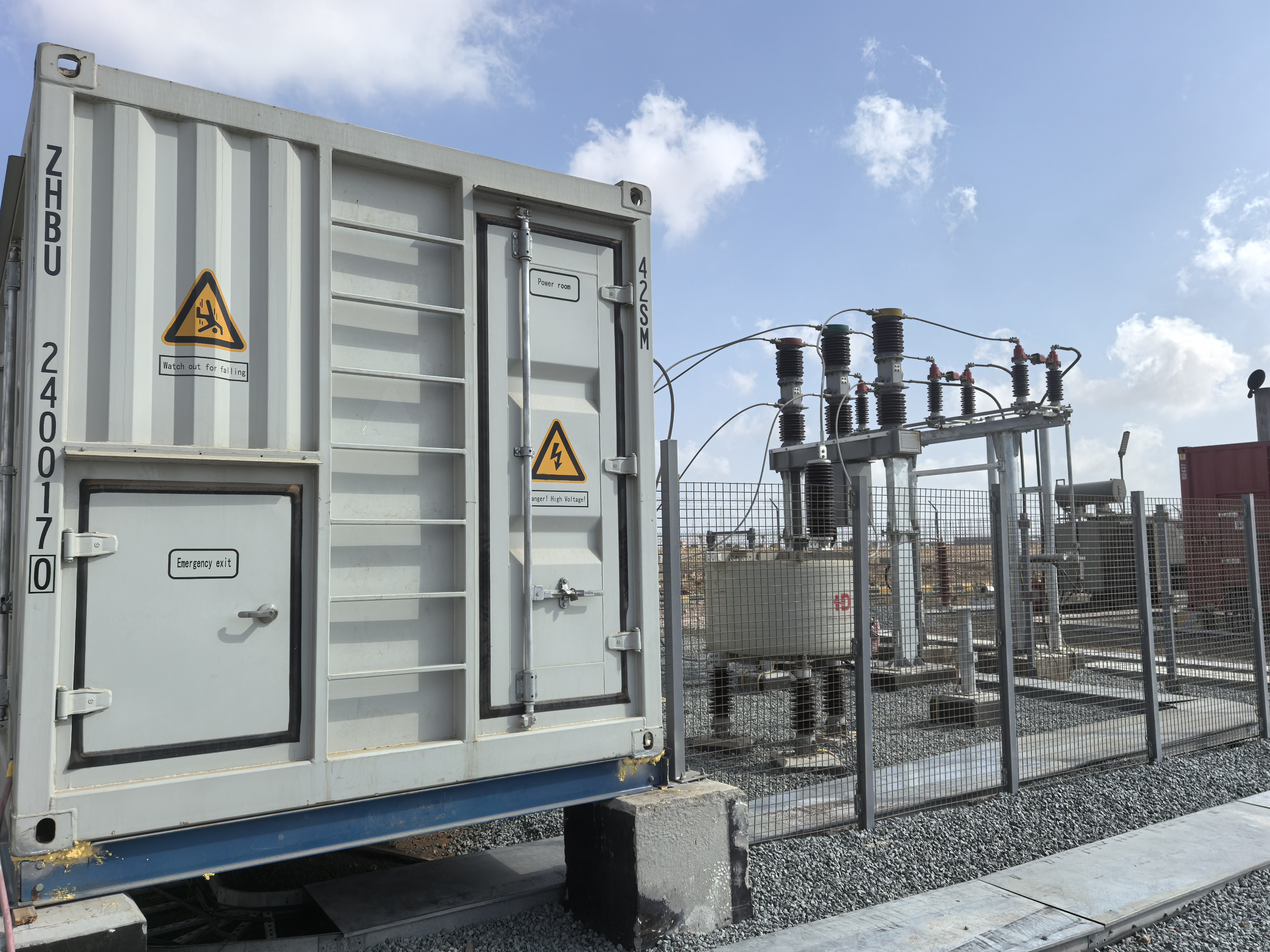
● Maintaining Grid Stability: Solar farms must deliver consistent voltage and frequency despite environmental changes like cloud cover. Advanced monitoring and predictive analytics are required to anticipate and match grid requirements.
● Managing Electrical Failures: Inverters and transformers are critical components susceptible to failure. Proactive measures, such as infrared thermal scanning and load testing, are essential to detect issues before they cause downtime.
● Regulatory Compliance: Operators must navigate complex utility standards, state codes, and federal regulations. Failure to comply can result in severe fines or disconnection from the grid.
● Minimizing Performance Loss: Continuous 24/7 remote monitoring and rapid-response crews are necessary to mitigate revenue loss caused by equipment outages.
● Long-Term Strategy: Solar equipment naturally degrades over time. Success requires implementing lifecycle management strategies, including equipment upgrades and performance optimization, to ensure multi-decade profitability.
Maintaining stability is the first major hurdle for any Solar Grid Connection. Solar farms must deliver consistent voltage and frequency to the utility network. Sudden environmental changes, such as cloud cover, cause rapid fluctuations in output that can destabilize the local grid. To counter this, operators use advanced monitoring and control systems that automatically adjust output levels to match grid requirements.
Beyond simple fluctuations, technical teams face inverter synchronization issues. Inverters convert DC to AC power, but they must perfectly match the grid's phase and frequency to stay connected. Any mismatch can lead to automatic disconnections. Furthermore, harmonic distortion—electrical "noise" produced during conversion—can interfere with utility operations or damage sensitive infrastructure.
Modern facilities often utilize STATCOM (Static Synchronous Compensator) and VAR compensation to provide reactive power support. These technologies stabilize voltage at the point of interconnection, ensuring the farm remains a helpful asset rather than a liability to the utility. Integrating AI-driven predictive analytics further helps by anticipating weather-driven fluctuations before they impact the wider network.
Technical Stability Summary
Challenge | Impact | Modern Solution |
Cloud Cover | Voltage drops | Predictive AI & Real-time controls |
Inverter Faults | Grid disconnection | Routine load testing & Infrared scanning |
Phase Mismatch | Equipment damage | Advanced sync-check relays |
The physical infrastructure of the existing power grid often limits the success of a Solar Grid Connection. Many local distribution or transmission lines were not built to handle the heavy, variable loads produced by modern solar farms. Grid congestion occurs when the "hosting capacity" of a line is reached, meaning it cannot safely accept more energy without risking overheating or failure.
Connecting a new farm often necessitates costly substation upgrades. This might include installing new transformers or advanced switchgear to handle the specific voltage stepping required for the project. Additionally, the geographical distance between sunny, remote areas and high-demand urban centers creates significant transmission challenges and line losses.
The transition from a traditional one-way delivery system to a bidirectional grid is a massive undertaking. Grid operators must now manage power flowing from the "edges" of the network back toward the center, requiring sophisticated hardware and software management to prevent equipment damage and maintain safety.
Navigating the regulatory landscape is often as difficult as the engineering itself. Solar farms must comply with a complex web of local utility requirements, state codes, and federal regulations. Failure to meet these standards results in heavy fines or immediate disconnection from the grid.
Interconnection protocols involve rigorous, step-by-step technical requirements. These protocols cover everything from the specific types of grounding used to the sensitivity of protective relaying. These relays act as safety valves; they must disconnect the farm instantly during grid faults to protect both the facility and the utility personnel.
Maintaining detailed documentation is critical for audit readiness. Experts recommend keeping exhaustive logs of all maintenance, safety tests, and compliance checks to simplify inspections and ensure the site remains in good standing with regional authorities.
The reliability of hardware at the point of Solar Grid Connection determines the long-term viability of the project. Central inverters are often considered the "heart" of the farm. However, they represent a significant risk because a single inverter failure can bring an entire section of the farm offline.
Thermal stress is a silent killer of electrical components. High-load connection hardware generates significant heat, which leads to degradation over time. Preventive maintenance programs now include routine infrared thermal scanning to detect hot spots in transformers and wiring before they lead to catastrophic failure.
Weather resilience is another major factor. Connection infrastructure must be physically hardened against extreme events like hurricanes, hail, or extreme heatwaves. These events can cause forced disconnections or physical damage that takes weeks to repair. Implementing proactive measures, such as drone inspections after major storms, helps identify and resolve issues quickly.
Maintenance vs. Compliance Checklist
Category | Priority Action Item | Goal for Solar Grid Connection | Economic Benefit |
Operational | 24/7 Remote Monitoring | Immediate fault detection | Minimizes costly downtime |
Preventive | Infrared Thermal Scanning | Early detection of hot spots | Prevents catastrophic equipment failure |
Compliance | Interconnection Audits | Meet local and federal codes | Avoids fines and legal disconnections |
Strategic | Lifecycle Upgrades | Offsets equipment degradation | Ensures long-term project profitability |
Every hour a solar farm remains offline or disconnected from the grid results in lost revenue. One of the most frustrating economic challenges is "curtailment." This occurs when the grid operator forces a farm to reduce its output because the grid is oversupplied. Without a plan for curtailment, operators face unpredictable financial returns.
To minimize downtime, many leading firms provide 24/7 remote monitoring combined with rapid-response field crews. Technicians are trained to isolate faults quickly, ensuring the Solar Grid Connection is restored as fast as possible.
Long-term strategies must account for equipment degradation. Over a 20-year lifespan, panels and electrical components naturally lose efficiency. Lifecycle management—which includes predictive maintenance and planned upgrades—ensures the farm remains profitable and compliant well into the future.
Revenue Protection Strategies 24/7 Remote Monitoring: Identifies failures the moment they occur. Rapid-Response Crews: Specialized technicians available for on-site support. Predictive Maintenance: Using data to fix components before they break. Customizable O&M Contracts: Tailoring services to the specific needs of the grid-tied asset.
The future of solar integration lies in advanced technology that goes beyond simple energy generation. Battery Energy Storage Systems (BESS) are becoming essential. They "smooth out" solar delivery by storing excess power during the day and discharging it when the grid needs it most, providing "firm" capacity that utilities value highly.
Smart inverters are also evolving. Instead of just converting power, "grid-forming" inverters can actually help support the network's frequency and voltage, acting more like traditional spinning generators. This makes the Solar Grid Connection much more resilient to external shocks.
Finally, Digital Twins—virtual models of the solar farm—allow operators to run simulations. They can test how the connection will behave under extreme stress or weather events without risking the actual hardware. Combined with automated compliance reporting software, these tools allow for continuous adherence to evolving utility standards.
Achieving a successful Solar Grid Connection is a complex journey requiring technical precision and regulatory expertise. While managing voltage fluctuations and utility audits is difficult, these hurdles are manageable with the right strategy. At Zhuhai Sinopak Electric Ltd, we provide advanced technology and proactive maintenance to ensure your assets remain compliant and profitable. Our specialized solutions solve stability issues at the source, powering your long-term success in the modern energy market.
A: Maintaining stability is the primary challenge , as sudden cloud cover causes voltage and frequency fluctuations that impact the Solar Grid Connection.
A: Inverters convert DC to AC power. They must perfectly match the grid's phase and frequency to ensure a stable Solar Grid Connection.
A: Systems should be inspected at least twice a year to prevent failures in a Solar Grid Connection.


